

Understanding Knee Pain and Its Impact
Knee pain is a common problem for many people. It can make walking, climbing stairs, or even sitting hard. For some, knee pain limits daily activities. However, with the right approach, you can find relief. Many experts agree that exercises to reduce knee pain are helpful. These exercises can improve strength and flexibility. As a result, you may feel better and move more easily.
Common Symptoms of Knee Pain
Knee pain can show up in different ways. For example, you might feel:
Because these symptoms can affect your life, it is important to address them early.
What Causes Knee Pain?
Knee pain can have many causes. Often, it results from injuries, overuse, or conditions like arthritis. Sometimes, weak muscles or poor posture add to the problem. For this reason, understanding the cause helps you choose the right exercises. Always talk to a doctor if you are unsure about your knee pain.
Why Exercise Matters for Knee Pain Relief
Exercise is a key part of knee pain relief. In fact, regular movement keeps your knee joint healthy. It also strengthens the muscles around the knee. When these muscles are strong, they support the joint better. This can reduce pain and prevent future problems. According to the CDC, safe exercise is one of the best ways to manage knee pain.
Safe and Effective Exercises to Reduce Knee Pain
Below are some orthopedic knee exercises you can try. Remember, start slowly and listen to your body. If you feel sharp pain, stop right away.
1. Quadriceps Stretch
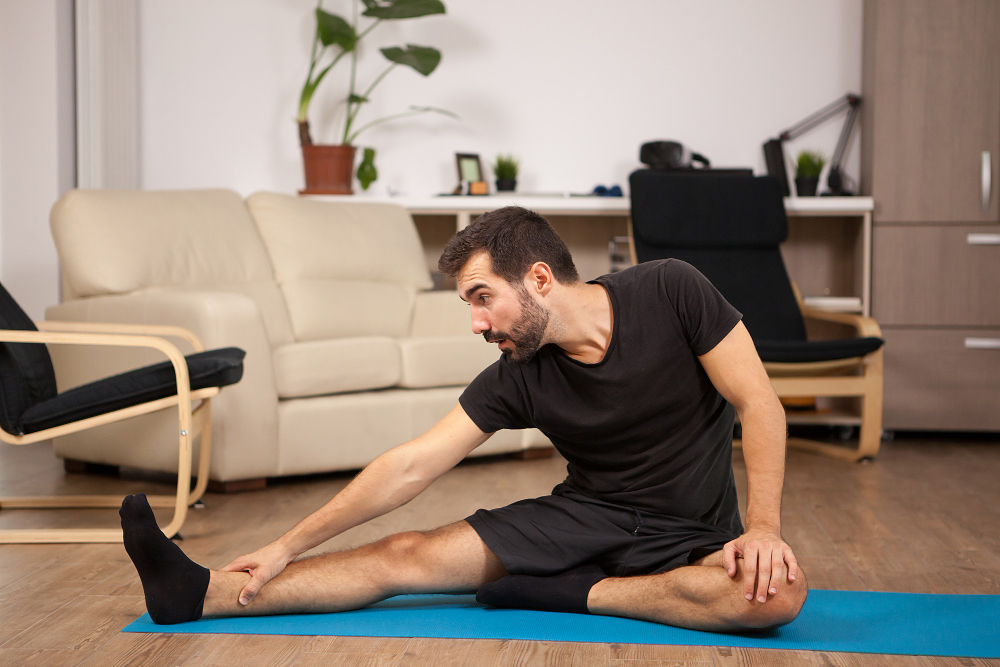
2. Hamstring Stretch
3. Straight Leg Raise
4. Calf Stretch
5. Seated Knee Extension
6. Low-Impact Activities
These activities are gentle on the knees but help keep you active.
Tips for Performing Knee Exercises Safely
Additionally, consider doing exercises on a soft surface, like a yoga mat, for comfort.
When to Avoid or Stop Knee Exercises
Sometimes, it is best to avoid or stop exercises. For example, you should stop if you notice:
In these cases, contact a healthcare provider right away. They can check for serious problems and guide you safely.
Prevention and Lifestyle Tips for Healthy Knees
Keeping your knees healthy is important. Therefore, try these simple tips:
With these habits, you can protect your knees and enjoy an active life.
Conclusion: Seek Expert Advice for Knee Pain Relief
In summary, exercises to reduce knee pain can make a big difference. They help you move better and feel less pain. However, every person is different. For the best results, consult an orthopedic specialist at Shreejii Hospital and Research Centre for personalized exercise advice. This way, you can stay safe and get the relief you need.