

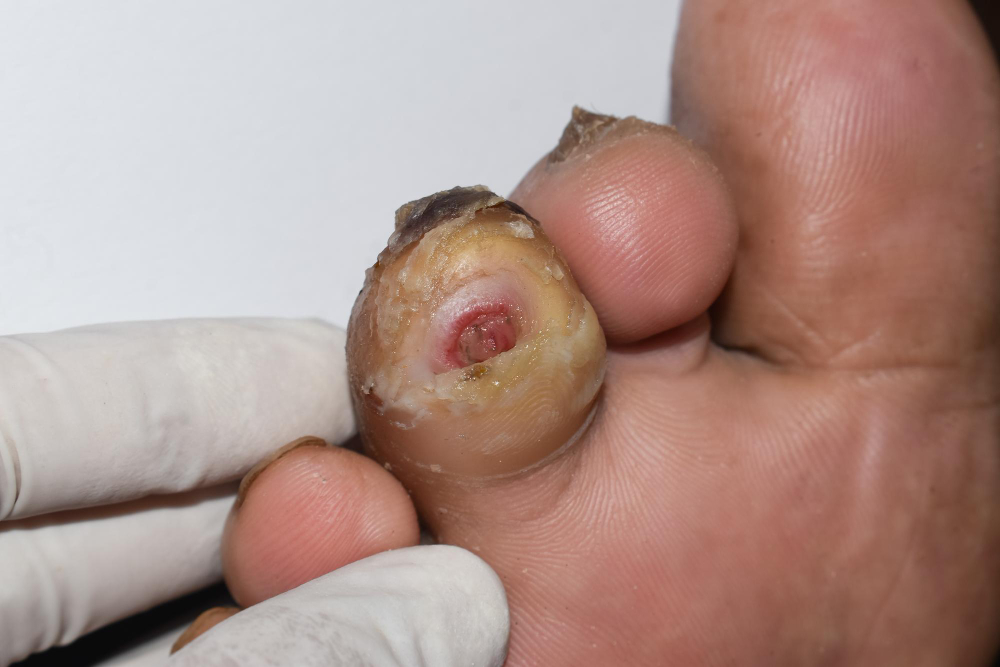
What is Diabetic Foot?
Diabetic foot is a common problem for people with diabetes. It happens when high blood sugar damages nerves and blood vessels in the feet. As a result, you may not feel pain or injuries. Over time, small wounds can turn into serious infections. Because of this, diabetic foot care is very important for anyone with diabetes. According to the World Health Organization (WHO), early care can prevent many foot problems.
Common Symptoms
It is important to know the signs of diabetic foot early. This helps you get treatment quickly. Some common symptoms include:
However, some people may not feel any pain at all. Therefore, regular foot checks are important.
Main Causes and Risk Factors
Diabetic foot problems happen for several reasons. First, high blood sugar can damage nerves. This is called neuropathy. Second, poor blood flow makes it hard for wounds to heal. In addition, infections can develop quickly. The main risk factors include:
Because of these risks, preventing diabetic foot complications is key for good health.
Diagnosis Methods
Doctors use several ways to diagnose diabetic foot problems. First, they will ask about your symptoms and medical history. Next, they will check your feet for wounds, swelling, or color changes. Some common tests include:
Early diagnosis helps prevent serious problems. For this reason, regular check-ups at diabetic foot clinics near you are helpful.
Treatment Options
Treatment for diabetic foot depends on the problem. For minor wounds, doctors may clean and dress the area. In addition, they may give antibiotics if there is an infection. Other treatment options include:
Because every case is different, your doctor will suggest the best treatment for you.
Prevention Tips and Lifestyle Guidance
Preventing diabetic foot complications is possible with good care. Here are some tips for diabetic foot care:
Additionally, regular visits to a healthcare provider can help spot problems early.
When to See a Doctor
If you notice any signs of diabetic foot, see a doctor right away. For example, if you have a sore that does not heal, swelling, or a change in skin color, seek help. Early treatment can prevent serious complications. Many cities have diabetic foot clinics near you for expert care.
In summary, diabetic foot can be serious, but early care and prevention make a big difference. Consult a healthcare specialist at Shreejii Hospital and Research Centre for personalized diabetic foot care and advice.