Introduction
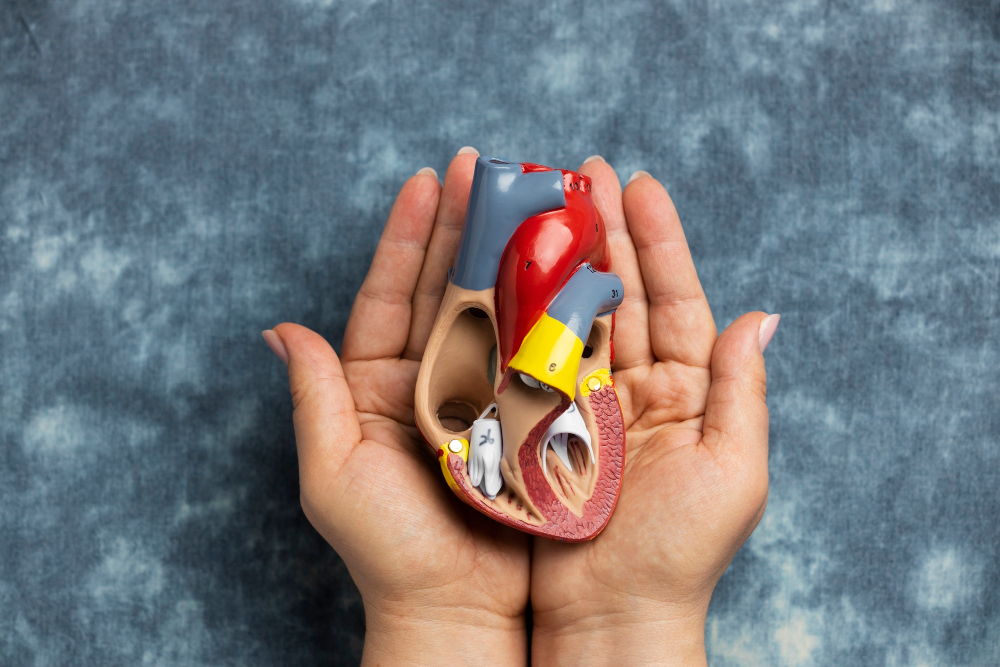
Dyslipidemia is a common health problem that affects many people worldwide. It means there is an unhealthy balance of fats, like cholesterol and triglycerides, in your blood. Because dyslipidemia can lead to heart disease, it is important to know its signs and how to manage it. Early awareness helps prevent serious heart problems. In the United States, millions live with cholesterol imbalance, so learning about dyslipidemia is vital for your health.
What is Dyslipidemia?
Dyslipidemia happens when your blood has too much or too little fat. Most often, it means high levels of bad cholesterol (LDL) or triglycerides, or low levels of good cholesterol (HDL). These changes can block blood flow and harm your heart. For example, high cholesterol causes fatty buildup in your arteries. This can lead to heart attacks or strokes. Knowing what dyslipidemia is helps you take steps to protect your heart.
Common Symptoms of Dyslipidemia
Often, dyslipidemia does not cause clear symptoms. Many people do not know they have it until a blood test shows a problem. However, in rare cases, you might notice:
Because symptoms are rare, regular check-ups are important. This way, you can catch cholesterol imbalance early.
Causes and Risk Factors
Dyslipidemia can have many causes. Sometimes, it runs in families. Other times, lifestyle choices play a big role. Here are some common causes and risk factors:
For many, a mix of these factors leads to dyslipidemia. But, you can lower your risk by making healthy choices.
How Dyslipidemia is Diagnosed
Doctors use a simple blood test called a lipid panel to check for dyslipidemia. This test measures:
Usually, you need to fast before the test. After the results, your doctor will explain what the numbers mean. If your levels are not healthy, you may need more tests or treatment. Early diagnosis helps prevent heart disease and stroke.
Treatment Options for Dyslipidemia
Treating dyslipidemia often starts with lifestyle changes. However, some people also need medicine. Here are common treatment options:
Your doctor will choose the best plan for you. Sometimes, a mix of lifestyle changes and medicine works best. Always follow your doctor’s advice for safe and effective care.
Lifestyle Tips for Managing Dyslipidemia
Managing dyslipidemia is possible with healthy habits. For example, you can:
With these steps, you can lower your cholesterol and protect your heart. Even small changes can make a big difference over time.
Prevention Strategies
Preventing dyslipidemia is easier than treating it. You can lower your risk by:
Because prevention is key, start healthy habits early. This helps keep your cholesterol in a safe range and supports lifelong heart health.
Conclusion
Dyslipidemia is a serious but manageable condition. With early diagnosis and the right steps, you can control cholesterol imbalance and lower your risk of heart disease. Consult a specialist at Shreejii Hospital and Research Centre for personalized advice on managing dyslipidemia.