
What is a Laparoscopic Appendectomy?
Laparoscopic appendectomy is a type of minimally invasive appendix surgery. Doctors use this method to remove an inflamed or infected appendix. Instead of making a large cut, they use small incisions and special tools. As a result, patients often heal faster and feel less pain. This surgery is common and safe for most people. According to the CDC, appendicitis is a leading cause of emergency abdominal surgery.
Why is Laparoscopic Appendectomy Performed?
Doctors perform laparoscopic appendectomy when the appendix becomes swollen or infected. This condition is called appendicitis. If not treated, the appendix can burst, which can be very dangerous. Therefore, removing the appendix quickly is important. Some reasons for this surgery include:
Early surgery helps prevent serious problems and speeds up recovery.
How is the Procedure Done?
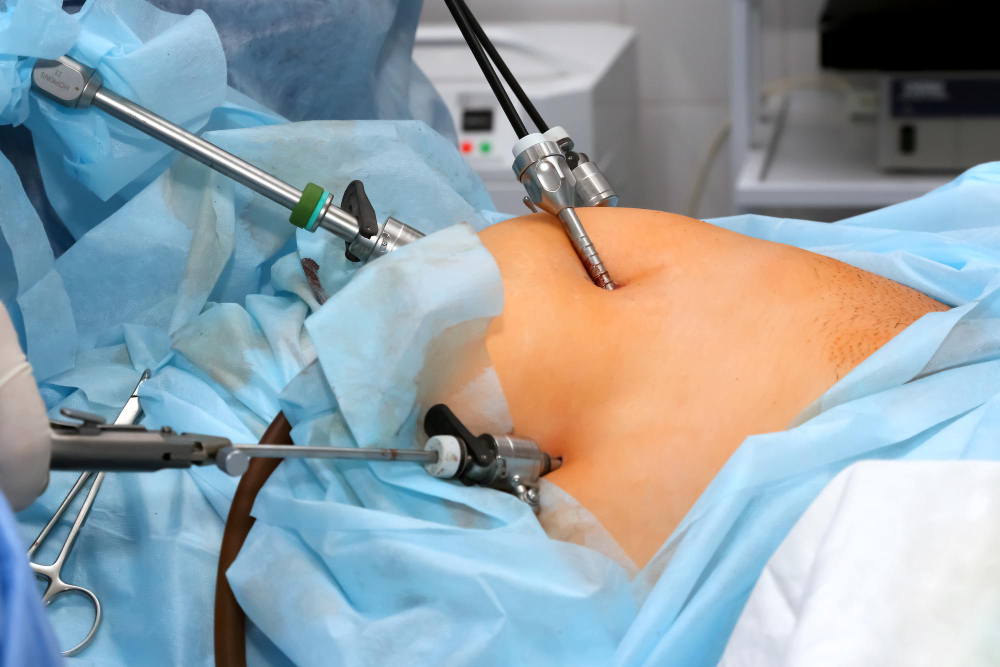
During a laparoscopic appendectomy, the patient receives general anesthesia. This means you will be asleep and feel no pain. Next, the surgeon makes three or four small cuts in the belly. Through these cuts, they insert a tiny camera and special tools. The camera sends images to a screen, helping the surgeon see inside. Then, the surgeon carefully removes the appendix. Finally, the small cuts are closed with stitches or glue. Most surgeries take about one hour.
Benefits of Laparoscopic Appendectomy
Laparoscopic appendectomy offers many advantages over open surgery. For example, patients often experience:
Because the surgery is less invasive, recovery is usually quicker and easier.
Risks and Possible Complications
Although laparoscopic appendectomy is safe, every surgery has some risks. It is important to know about possible problems, such as:
However, serious complications are rare. According to the World Health Organization, most people recover well. Still, you should watch for signs of infection, such as redness, swelling, or fever.
Recovery and Aftercare Tips
After minimally invasive appendix surgery, most people go home within one or two days. Recovery is usually smooth, but you should follow your doctor’s advice. Here are some helpful tips for appendix removal recovery:
If you notice severe pain, fever, or pus from the wounds, contact your doctor right away.
Prevention and Lifestyle Guidance
While you cannot always prevent appendicitis, healthy habits may help lower your risk. For instance, eating a diet high in fiber can support good digestion. Drinking plenty of water and staying active are also helpful. However, there is no sure way to stop appendicitis from happening. If you have belly pain that does not go away, seek medical help quickly.
Frequently Asked Questions
Conclusion and When to Consult a Doctor
Laparoscopic appendectomy is a safe and effective way to treat appendicitis. Because it is minimally invasive, recovery is often fast and smooth. However, you should always watch for signs of infection or other problems. If you have questions or need advice, consult a healthcare specialist at Shreejii Hospital and Research Centre for personalized advice about laparoscopic appendectomy.