What is a Heart Attack?
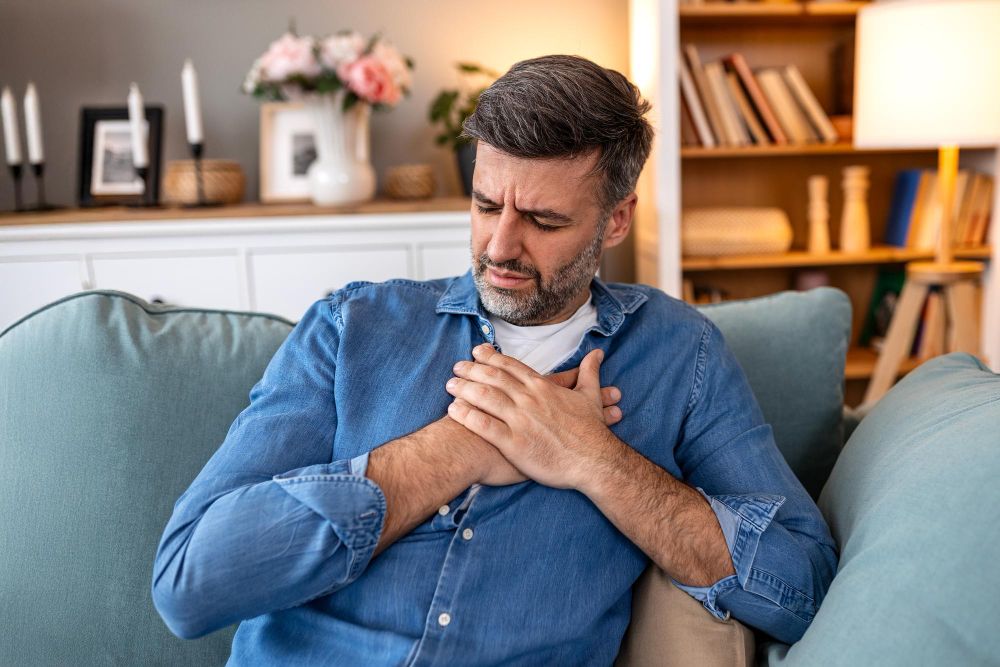
A heart attack happens when blood flow to part of the heart stops. This can damage the heart muscle. Often, a blocked artery causes this problem. Because the heart needs oxygen, any blockage can be dangerous. Many people do not know they are at risk. For this reason, learning the warning signs of a heart attack is very important. Early symptoms of heart attack can save lives. Both men and women may have different heart attack signs. Knowing when to seek emergency help can make a big difference.
Why Recognizing Warning Signs Matters
Recognizing warning signs early can save your life or someone else’s. Sometimes, people ignore mild symptoms. However, even small signs can mean a heart attack is starting. Quick action can help prevent serious damage. According to the CDC, fast treatment lowers the risk of death. Therefore, knowing what to look for is key. If you act quickly, you can get the right care in time.
Common Warning Signs of a Heart Attack
Heart attack symptoms can be different for each person. Still, there are some common warning signs to watch for. If you notice any of these, you should take them seriously:
Sometimes, symptoms come and go. But even if they stop, you should still get checked.
Differences in Warning Signs: Men vs. Women
Men and women can have different heart attack signs. For example, men often feel strong chest pain. Women may have milder symptoms. In fact, women sometimes feel tired, sick to their stomach, or dizzy instead of chest pain. They may also have pain in the back or jaw. Because these signs are less obvious, women may not realize they are having a heart attack. Therefore, it is important for everyone to know these differences.
When to Seek Immediate Medical Attention
If you think you or someone else is having a heart attack, call emergency services right away. Do not wait to see if symptoms go away. Even if you are unsure, it is better to be safe. Quick action can save a life. The American Heart Association says to call for help within five minutes of noticing symptoms. While waiting, try to stay calm and rest. Do not drive yourself to the hospital unless you have no other choice.
Prevention Tips and Lifestyle Guidance
Although heart attacks can be sudden, you can lower your risk. Here are some simple steps you can take:
Making small changes can have a big impact on your heart health.
Frequently Asked Questions (FAQs)
What are the first signs of a heart attack?
The first signs can be chest pain, shortness of breath, or feeling very tired. Sometimes, pain spreads to the arms, neck, or jaw.
Can heart attack symptoms be mild?
Yes, some people have mild symptoms or none at all. However, even mild signs should not be ignored.
Are heart attack signs different in women?
Yes, women may feel tired, sick, or have pain in the back or jaw instead of chest pain.
When should I call emergency services?
Call right away if you notice any warning signs. Do not wait for symptoms to get worse.
How can I prevent a heart attack?
Eat healthy, stay active, avoid smoking, and see your doctor regularly. These steps help lower your risk.
If you notice any warning signs of a heart attack or have concerns about your heart health, consult a healthcare professional at Shreejii Hospital and Research Centre right away. Early action can save lives.